Community Homestay Brings New Hope for Tourism and Livelihoods in Palpa
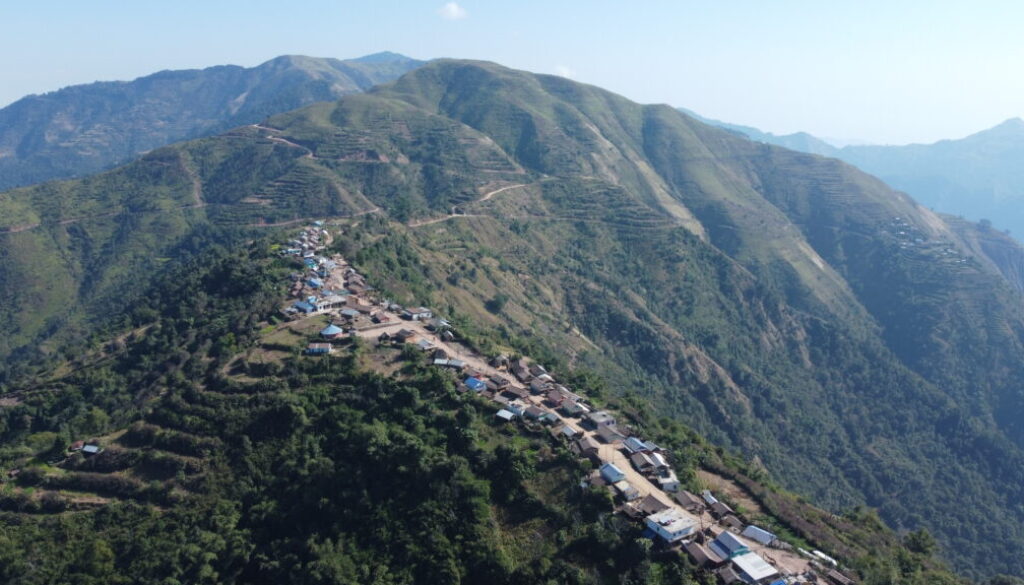
Local residents of Nisdi Rural Municipality–3, JhiruwasDharkesing in Palpa district have expressed happiness after the establishment of a community homestay program three years ago. With guests arriving almost daily, the homestay initiative has proven to be a success, according to Homestay Management Committee president Daman Singh Pata.
The homestay, launched in the Nepali fiscal year 2080 (2023/24), has not only attracted visitors but also contributed to improving the livelihoods of local people. “Most visitors who come to see the nearby Kaule danda Amliso (Broom Grass) plantation prefer to stay here,” said Pata. “Perhaps due to our warm hospitality, many guests return to stay with us again.”
Currently, homestay services are being operated in seven households belonging to local residents Bir Bahadur Pata, Daman Singh Pata, Hasta Bahadur Malla, Jagat Bahadur Pata, Lal Bahadur Thapa, Nabaraj Malla and Jagat Malla.
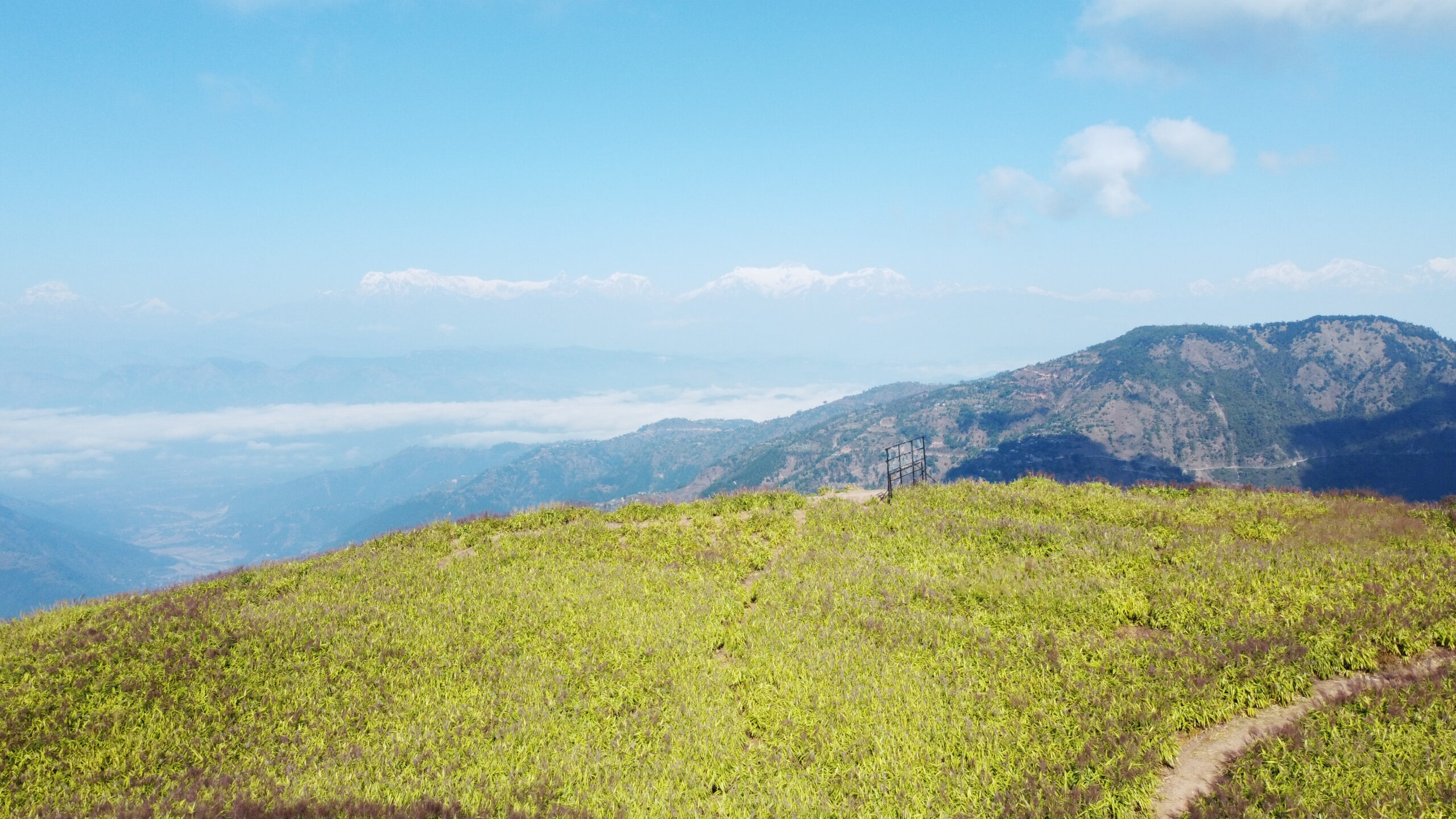
Ward Chairperson Nabindra Soti shared that the rural municipality has supported the homestay with a total of Rs 1.2 million. The funding, provided in two phases (Rs 700,000 and Rs 500,000), has been used to upgrade rooms and purchase beds, bedding, and other essential materials. According to Homestay Secretary Lal Bahadur Thapa, the team conducted an observation visit to Sirubari Nepal’s first homestay destination to learn about effective management practices. “After seeing how Sirubari operates, we felt confident that we could do it too,” he said. “It has also helped accommodate visitors coming to see Kaule danda Amliso.”
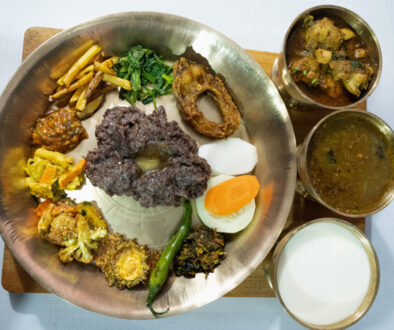
With a steady flow of guests, all homestay operators are satisfied with the progress. Each household has allocated at least two rooms for guests. Visitors typically opt for a package costing Rs 1,200, which includes a traditional welcome, snacks, dinner, overnight stay and a morning organic breakfast with tea. However, in recent times, some guests prefer customized stays rather than the full package. “Many visitors want separate arrangements, like local chicken dishes or other beverages, so they prefer private stays,” said operator Bir Bahadur Pata. “In such cases, we charge Rs 200 for lodging, and other items are billed separately.”
Despite the success, operators have raised concerns about poor road conditions. Tourists often hesitate to travel beyond Mityal Rukse Bhanjyang in Nisdi–4 due to narrow and difficult roads. The condition of the road also makes it challenging for larger vehicles to reach the village, posing a barrier to further tourism growth.
Even so, the Jhiruwas homestay stands as a promising example of rural tourism development, blending natural beauty, organic local cuisine, and warm community hospitality.
(The writer is a multimedia journalist.)