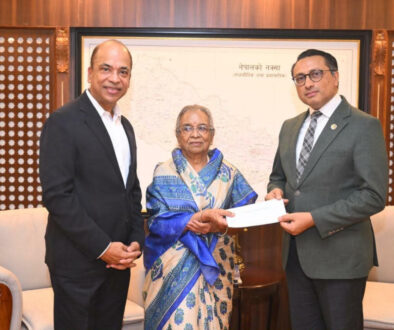
A House for the Weary: How Hotel Pauwa is Redefining Nepali Hospitality
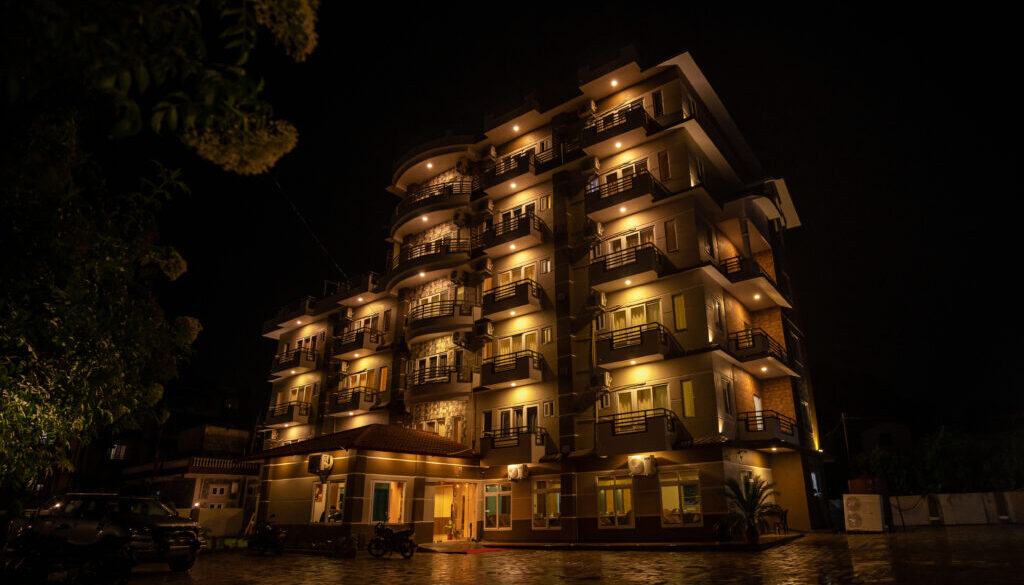
Hotel Pauwa is more than a hospitality brand. It is a revival of an ancient Nepali tradition and a bold bet that culture, not luxury, is what travelers truly seek.
Dhurba Neupane, Vice-Chairman of the Pauwa Group, hadn’t planned on returning to the hotel business. After years spent building a career in hospitality, he had turned his attention toward agriculture, drawn by a different kind of vision. One rooted in the land rather than the lobby. But his friends had other ideas. Their encouragement, persistent and warm, eventually pulled him back. And this time, when he returned, he came with a name that meant something far older than a brand.
“While we were deciding the name for the guest house, we thought about what hotels were called in our culture,” Neupane recalls. “How can we connect to our roots?” The answer arrived in a single word: Pauwa. In Nepali, it describes the traditional resting place built along travel routes, where weary travelers could stop, breathe, and find shelter. According to Nepali tradition, it was once customary to build pati-pauwa as a quiet act of community care, a gift to the stranger on the road. Neupane wanted that spirit to live again, not as nostalgia, but as a living, breathing philosophy of hospitality.
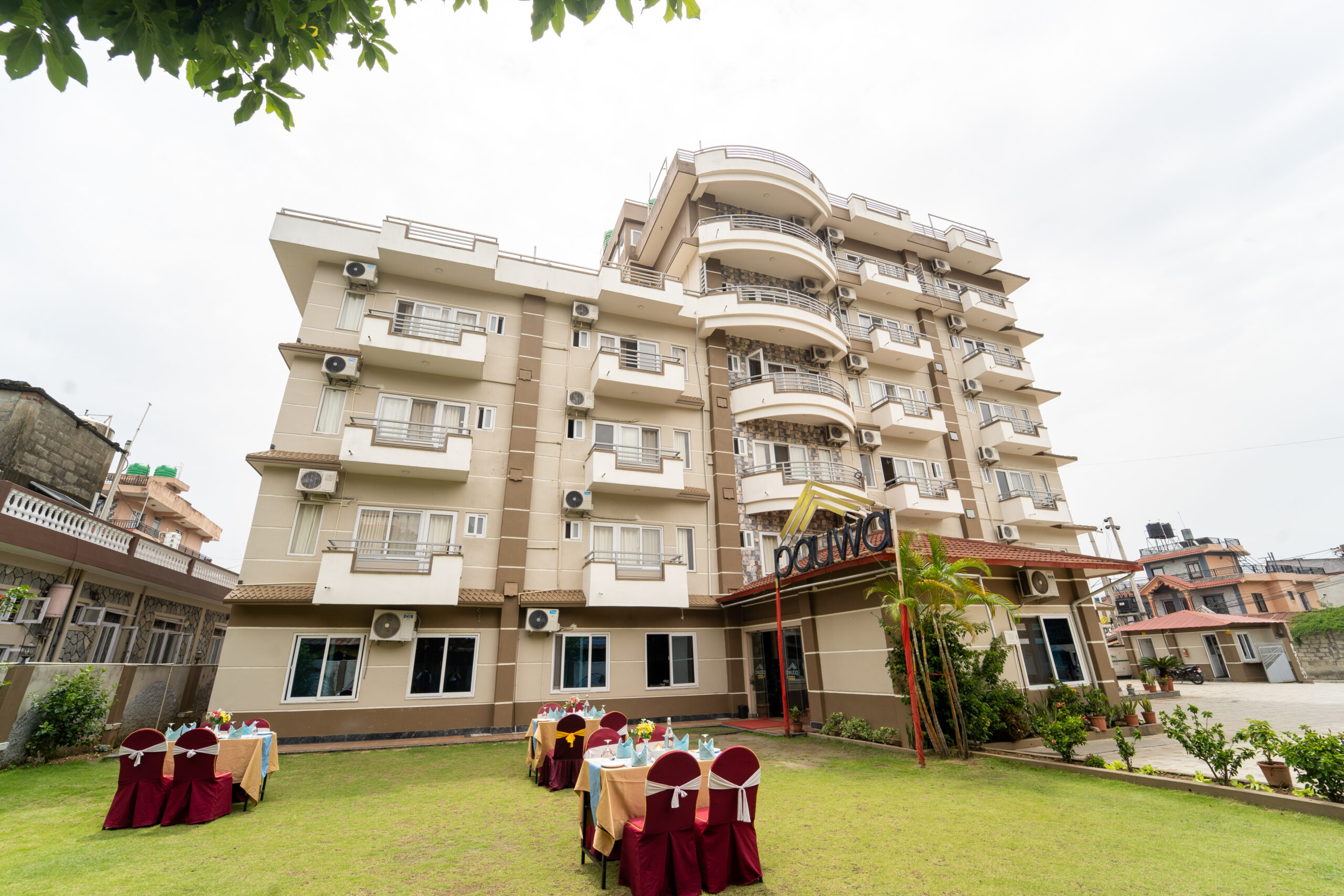
What began as a modest seven-room guest house in Saljhandi, Rupandehi has since grown into one of Nepal’s most recognizable names in hospitality. Hotel Pauwa now operates from 18 locations spread across the country. From the remote, wind-swept hills of Jumla to the energy and noise of Kathmandu with branches in Pokhara, Janakpur, Chitwan, Mulkot, Kalinchowk, Butwal, Bhairahawa, Lamahi, Bhalubang, Ghorahi, Palpa, Nepalgunj, Gulmi Resunga, Gorusinghe, Banbasa, and Dhangadi. It is a reach that few Nepali hospitality brands can claim.
Built on Difficult Ground
The timing of Pauwa’s founding could not have been more challenging. The hotel opened in 2015, in the immediate and painful aftermath of the devastating 7.6-magnitude earthquake that shook Nepal to its foundations, claiming thousands of lives and leaving entire communities in ruin. To start a business in that environment was an act of defiance or faith, depending on how one look at it. Then, just as the business found its footing and began to gather momentum, the COVID-19 pandemic arrived, threatening to undo nearly a decade of careful progress.
Neupane refused to blink. “While we were recovering from the earthquake and began to gain some momentum, COVID-19 hit us,” he says. “However, instead of shutting down all our operations, we took this as an opportunity.” During the lockdown, the hotels did not go dark. Internal operations continued; deep housekeeping, maintenance work that is easy to defer in busier times, and sustained marketing efforts to keep the brand alive in the minds of future guests. Every member of staff was paid. Not a single door closed permanently. That resolve left a mark on the organization’s culture that is still visible today, in the loyalty of its employees and the steadiness of its leadership.
A Hotel That Feels Nepali
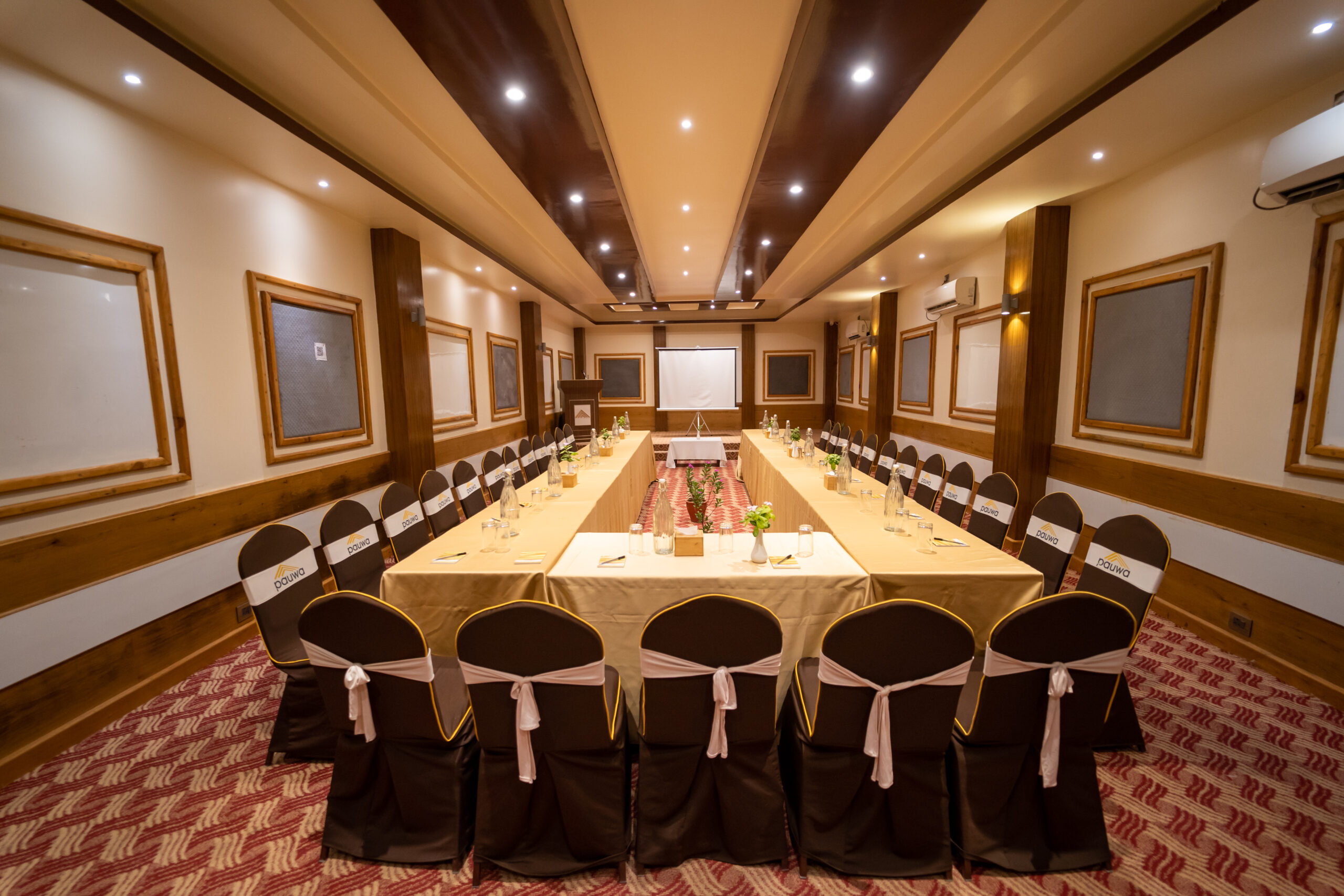
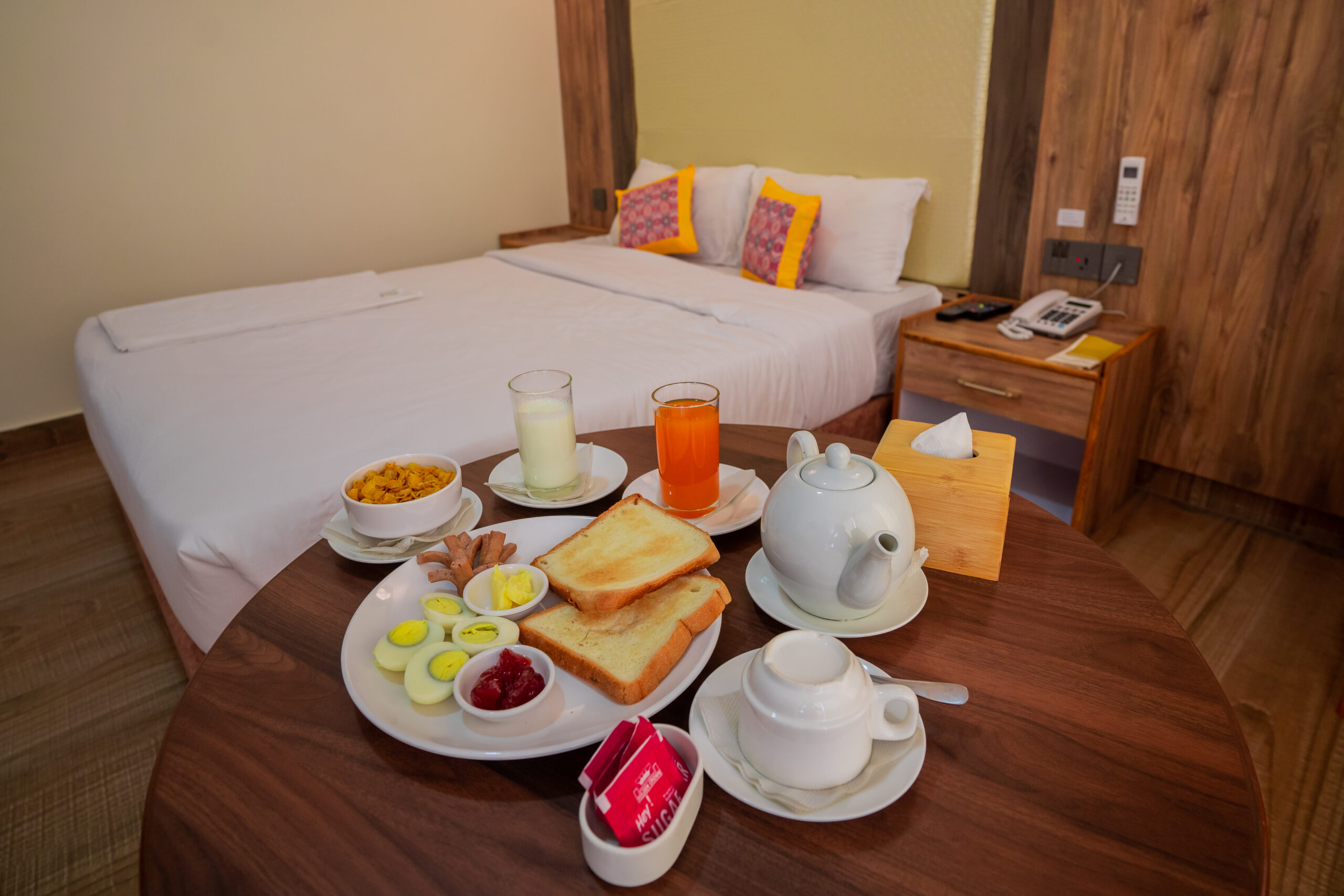
Walk into any Pauwa property and the difference announces itself almost immediately. Staff greet guests dressed in Daura-Suruwal, the traditional Nepali attire that serves as the hotel’s official uniform across all its branches. The walls carry local artwork and handcrafted materials. The menu reaches into the rural food traditions of Nepal, featuring dishes rarely found in the standard hotel restaurant. And the calendar of the hotel follows not the international events circuit, but Nepal’s own rhythm of festivals and celebrations.
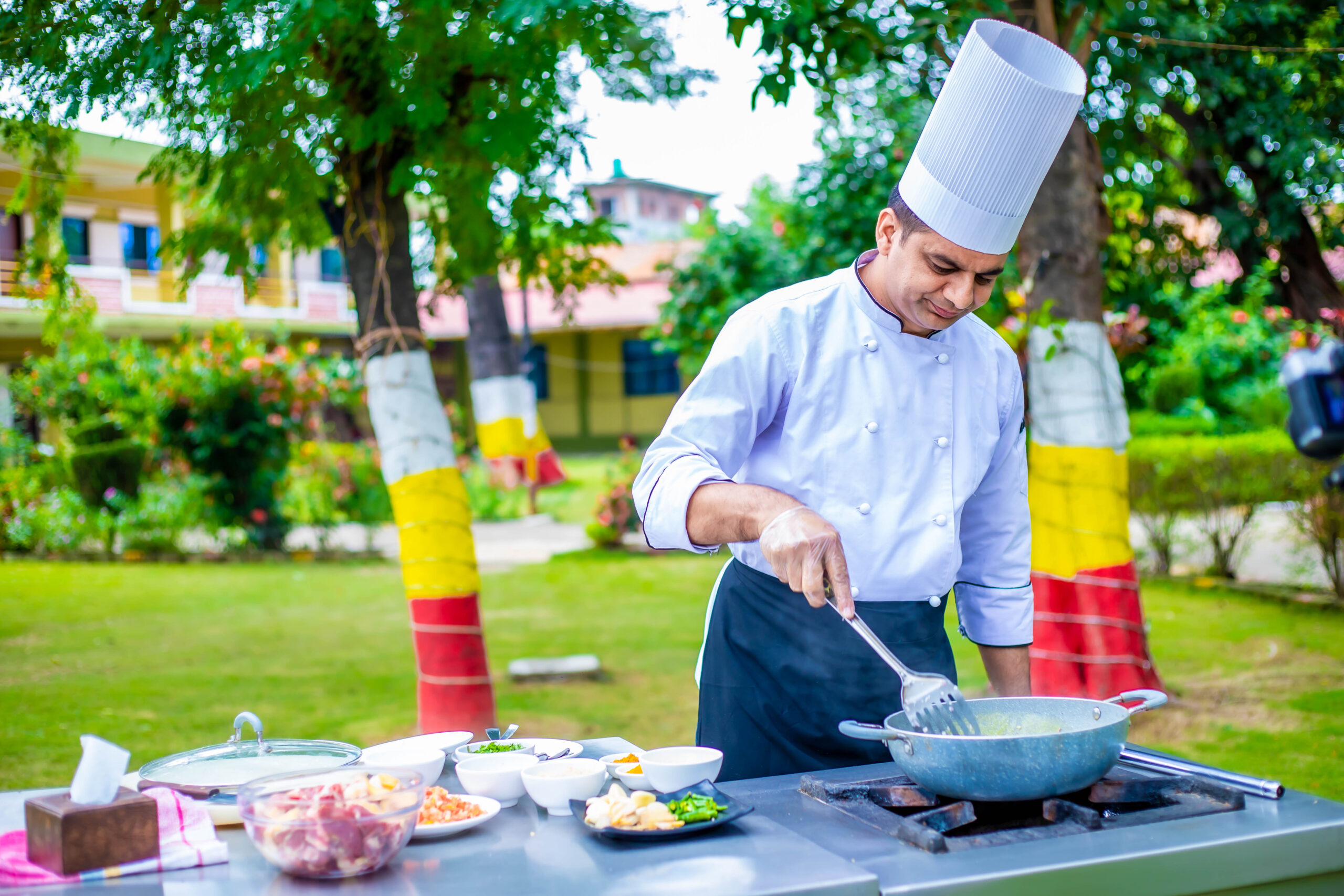
One dish in particular has become something of a quiet signature: Marauti Chicken, prepared with paracress, a medicinal plant known locally as the toothache plant, sourced directly from farmers in the surrounding communities. “Marauti is a medicinal plant. The dish is unique and customers love it,” says Neupane. “We get this Marauti from our local farmers.” It is a small detail, but it perfectly illustrates the larger philosophy at work: every ingredient, every decoration, every greeting is a deliberate choice to keep Nepal’s identity at the center of the guest experience.
Pauwa also organizes full cultural celebrations throughout the year, open not just to hotel guests but to the wider public. Maghi, Shivaratri, Teej, Dashain, and Buddha Jayanti are all observed with dedicated programs. The Deusi Bhailo evenings and Sarai Nach performances draw crowds from the surrounding neighborhoods. And each year, Pauwa hosts a taste festival dedicated to promoting Nepal’s extraordinary regional food traditions to a new generation of diners who might otherwise never encounter them.
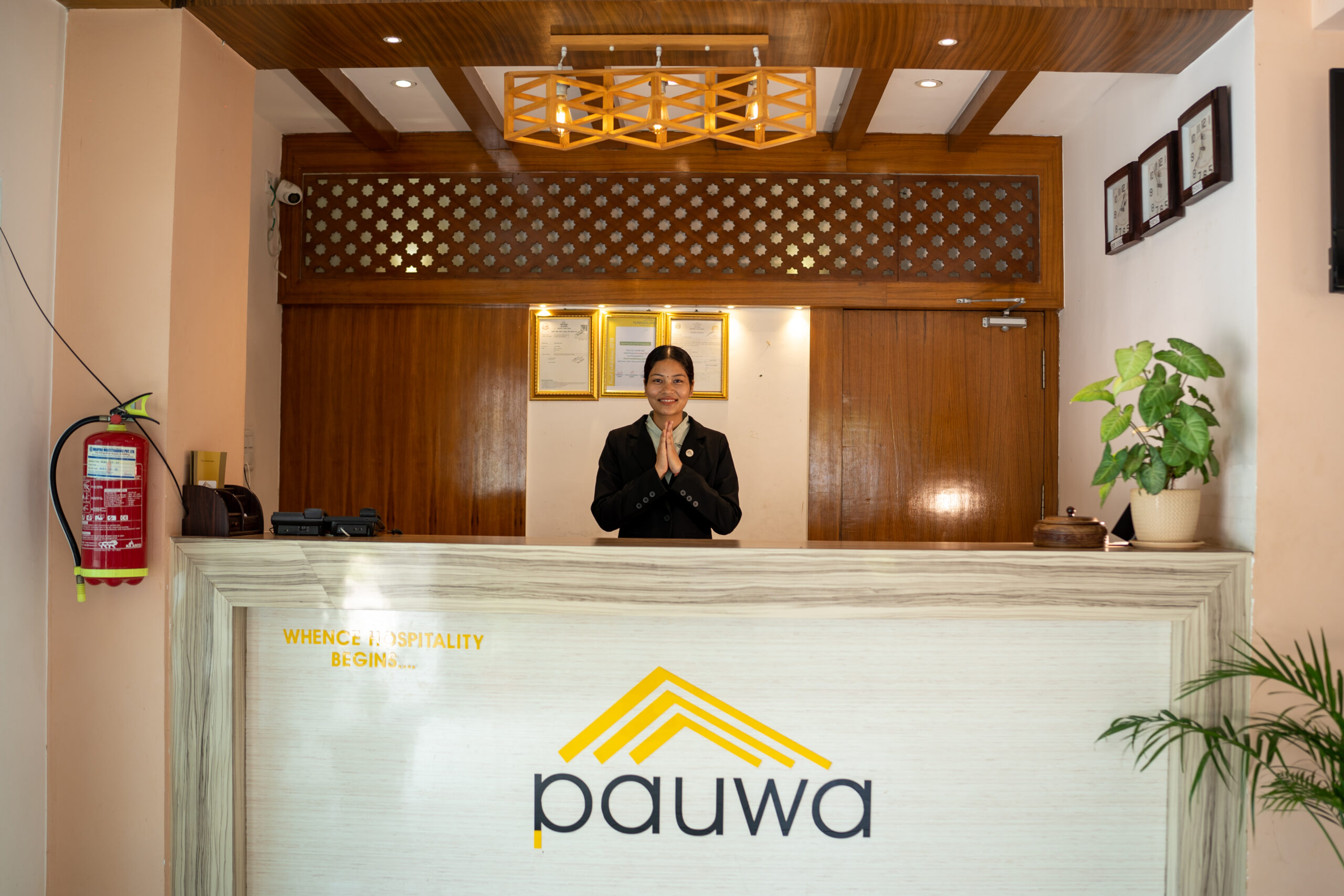
“Hotels are the ones that showcase culture firsthand,” Neupane explains. “The first point in tourism is the hotel. The tourists who come see everything through it: the staff, the decorations, the food, the language. The experience starts right here.” With the slogan Where Nepali Hospitality Begins, Pauwa has made this not just a vision statement but an operational commitment, a guiding principle that shapes decisions from the kitchen to the front desk.
Paicho: Closing the Gap Between Farm and Fork
Beyond hospitality, the Pauwa Group has quietly built something rather unusual alongside its hotel business: a barter economy designed to connect rural farmers directly to consumers, cutting out the middlemen who typically absorb much of a farmer’s earnings.
Through Paicho Pasal, field representatives travel door-to-door across villages, collecting agricultural products; fenugreek seeds, fennel, beans, green beans, soybeans as well as foraged goods like gooseberry, butter tree seed, and yam, items that are gathered from the forest but not widely marketed through conventional channels. In exchange, farmers receive daily essentials they would otherwise need to travel to purchase: sugar, cooking oil, salt, and garments. Cash transactions are also accepted depending on the customer’s preference, but barter remains the heart of the model.
The main Paicho outlet is based in Baletaxar, Gulmi. The produce it gathers feeds directly back into Pauwa’s hotel kitchens, completing a supply chain that begins in the fields and ends on the guest’s plate. “We also use these local products in our hotels,” says Neupane. “We want the farmers to get the best value for their products and our food to have organic health. Through Paicho, both have become possible.” It is an arrangement that serves everyone; the farmer, the guest, and the brand’s identity as something genuinely rooted in the land it comes from.
Young Nepal, Running the Show
Hotel Pauwa today provides employment to more than 1,000 people and counts over 250 investors among its stakeholders, a significant number of whom are employees who have chosen to put their savings back into the business they work for. Neupane actively encourages this. He believes that when a person has a financial stake in a place, they care for it differently. “The main investors and employees have equal status here,” he says. “We encourage the employees to invest so that they feel a sense of belonging.” The hotel even monitors how staff manage their earnings, supporting them to save and provide well for their families.
Perhaps what is most striking about the organization, though, is who holds its senior roles. Chief Branding Officer Bishnu Bhandari, Chief Operations Officer Krishna Gautam, Chief Technical Officer Pradip Bhandari, Executive Chef Dev Neupane, and Chief Financial Officer Bhoj Raj Thapa are all under the age of 35. They are not junior managers working toward seniority, they are department heads, running the business. Around 60% of all Pauwa employees are freshers entering the workforce for the very first time.
“We want youths to believe that success can be achieved in Nepal itself,” Neupane says. “Thus, we hire freshers, help them gain experience, and help them become experts in their fields.” At a time when foreign employment remains one of the most common paths for young Nepalis seeking a future, Pauwa is making a quiet, consistent argument that there is another way.

Mission 100
Pauwa’s long-term expansion strategy carries a name that captures its ambition plainly: Mission 100. The goal is to operate from 100 locations across Nepal within the next ten years, supported by a total investment of Rs 4 billion. A five-star hotel is already under construction in Nepalgunj, with its restaurant already open and operational in the first phase. Properties in Pokhara, Butwal, and Bhalubang are being upgraded to star-hotel status. And in Palpa, a mega resort spanning 35 ropanis, approximately 4.4 acres, is rising to capture the serene, unhurried beauty of the hills.
But Neupane is careful not to let the number become the story. “Mission 100 is not merely a numerical expansion target,” he says. “It is a long-term strategy focused on strengthening management capacity, brand credibility, and institutional maturity.” The locations matter less than what fills them.
The destination, ultimately, is international. Neupane envisions Pauwa eventually taking Nepal’s hospitality culture to global markets, a brand born in the Himalayas, offering something that no international chain can replicate or manufacture. “Even when we reach international,” he says, “what we bring to the table that is different from other brands is our own culture and tradition.”
Nepal, he believes, has everything it needs to become a truly world-class tourism destination. Adventure, wellness, natural beauty, a vast and loyal global diaspora ready to advocate for home. What it needs is investment, better marketing, and brands willing to tell the right story with conviction. “There is no limit for Nepal,” he says.
Hotel Pauwa is making that case; one guest, one festival, one farmer at a time.
With a slogan that reads “Where Nepali Hospitality Begins,” Pauwa is doing exactly what its name always promised: offering shelter, warmth, and a sense of home to every traveler who walks through its doors.