The Great Reverse Migration: How Tourism and Tradition Are Bringing Life Back to Tangting
RUDRA KHADKA
TANGTING(KASKI)- For decades, the story of rural Nepal has been a repetitive, somber narrative of departure. It is a story written in the dust of winding mountain trails by the feet of young men and women heading toward the neon lights of Kathmandu, the lakeside promises of Pokhara, or the sweltering labor camps of the Gulf. For a long time, the hills of the Kaski district were no exception. Villages were slowly becoming silent galleries of the elderly and the very young, a demographic hollowed out by the relentless search for a better life in distant concrete jungles.
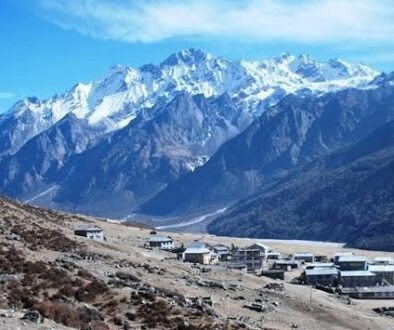
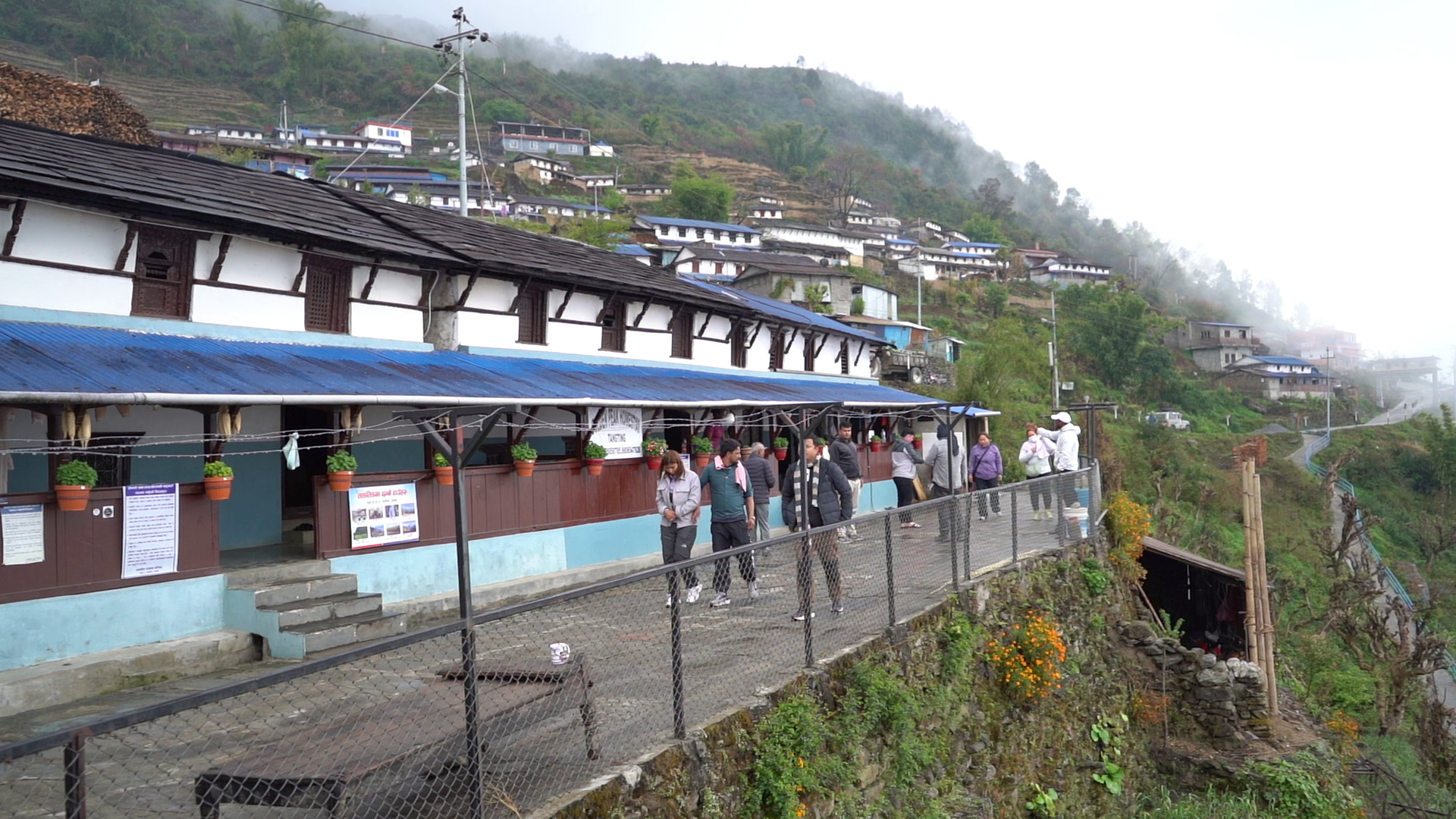
However, in the lap of the Annapurna range, within the rugged yet majestic terrains of the Madi Rural Municipality, a different story is currently being written. The village of Tangting is no longer a place that people simply leave; it has become a place people choose to return to. This reverse migration is not driven by failure in the city, but by a booming success at home. Through a potent combination of community-based homestays, hydropower development, and a revitalized agricultural market, Tangting is proving that the heart of Nepal’s future may well beat loudest in its ancestral highlands.
The Face of the Return: Kumari Gurung’s Journey
To understand the transformation of Tangting, one must look at the life of Kumari Gurung. A few years ago, the silence of the village felt heavy, the kind that settles into empty houses and uncultivated fields. Like hundreds of her peers, Kumari saw no viable future in the terraced slopes of her ancestors. The absence of economic opportunity and the general stagnation of rural life compelled her to pack her bags and relocate to Pokhara.
In the city, life was a struggle of a different kind. Pokhara offered employment, but it came at the cost of high rents, urban anonymity, and a relentless hustle to make ends meet. While the city provided a wage, it stripped her of the dignity of land ownership and the warmth of community. What ultimately changed her trajectory was the news filtering back from the hills: Tangting was transforming. Tourists, both domestic and international, were beginning to seek out the village. The homestay movement was taking root.
Today, Kumari is back. She did not return merely to reside; she returned to lead. Trading her role as an urban laborer for that of a rural entrepreneur, she has established her own hotel business in the heart of the village.
A Municipality in Motion: The Vision of Madi Rural Municipality
The transformation of Tangting is not an isolated accident. It is the result of a powerful synergy between local resilience and large-scale infrastructure development. Kalpana Gurung, the Deputy Mayor of Madi Rural Municipality, has observed this shift from the front lines of local governance. Over the past four to five years, she notes, the village has witnessed an unprecedented surge in tourist arrivals.
The Madi River, which winds through the valley below, has become a literal powerhouse for the local economy. Eight hydropower projects have been completed or are in active operation along its banks. Beyond contributing to the national electricity grid, these projects constructed roads and generated local employment during their development phases. Most critically, they injected liquid capital into the community through land compensations and local equity shares. Many families channeled these funds directly into renovating their traditional homes into functional, welcoming homestays.
The Homestay Revolution: The NPR 1,200 Blueprint
At the core of Tangting’s rebirth is its Community Homestay program. The village currently boasts 14 officially registered homestays alongside several independent hotels, with a collective capacity to comfortably accommodate approximately one hundred guests per night.
Tilsubba Gurung, Chairperson of the Tangting Community Homestay Committee, is the architect of the guest experience. The village has standardized its hospitality to ensure that every traveler experiences genuine Gurung culture without the unpredictability of commercial trekking lodges. The all-inclusive package is priced at NPR 1,200 per person and covers two full meals, one of which features organic local chicken, along with breakfast and a clean, comfortable night’s accommodation.
The economic impact of this simple offering is genuinely transformative. An average household involved in the program now earns a minimum of NPR 300,000 annually. In a rural economy historically tied to subsistence farming, an additional three lakh rupees in liquid income represents a fundamental shift in quality of life. It gives families the means to afford quality healthcare, better educational resources for their children, and the ability to save for the future without sending loved ones to the labor markets of Qatar or Malaysia.
The Organic Advantage: When the Market Comes to the Farm
The tourism boom has catalyzed a secondary revolution in the village’s fields. Punam Gurung, a seasoned homestay operator, explains how hospitality has effectively rescued local agriculture. Tangting’s potatoes, cultivated in high-altitude, mineral-rich soil without chemical fertilizers, have become a brand of their own. Visitor demand is now so robust that the village faces what locals call a “happy crisis”: a shortage of local produce.
“People are finally seeing real money in their hands,” says Punam. “Poverty is visibly declining. You can see it in the way houses are being repaired with better materials and in the way people carry themselves with more confidence.” This agricultural demand ensures that tourism revenue does not remain concentrated with lodge owners alone. It flows to every grandmother tending greens in her backyard and every farmer raising poultry on the hillside.
The Cultural Magnet: Preserving the Gurung Identity
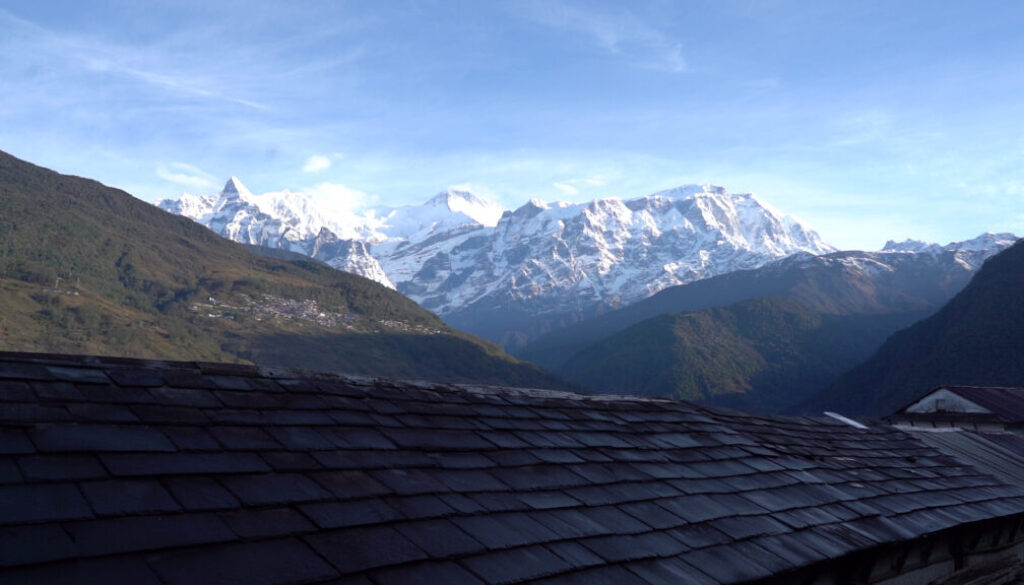
What draws visitors to Tangting goes far beyond scenery. It is an archetypal Gurung settlement, a cluster of stone-roofed houses clinging to the hillside like a scene lifted from a historical painting. Unlike the over-commercialized hubs along the main Annapurna Circuit, Tangting has preserved a rare and authentic sense of place.
Visitors come to witness the vibrant Ghatu and Sorathi dances, ancient performances that narrate the stories of kings, queens, and the natural world. They come to watch the traditional weaving of Radhi and Pakhi wool blankets, and to hear the stories of the Lahure (Gurkha) tradition that has defined Gurung identity for generations. The peak season, running from Kartik (October/November) through Jestha (May/June), offers crisp Himalayan air, crystal-clear views of Machhapuchhre and Annapurna, and vibrant village festivals that feel untouched by time.
The 35-Kilometre Hurdle: A Plea for Infrastructure
Despite Tangting’s soaring success, the journey to the village remains a formidable physical challenge. The route from Pokhara passes through Shivchok, Kahu Khola, and Kaharedanda before reaching the village, covering a total distance of just 35 kilometres. In any well-developed region, that would be a pleasant 45-minute drive. Currently, it takes three hours.
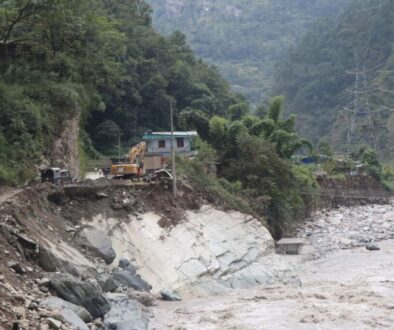
The unpaved road turns into a treacherous muddy track during the monsoon season and a suffocating dust corridor in the dry months. The local community’s message to the state is simple and unambiguous: the people have done their part. They returned home, invested their savings, and built a sustainable, culturally respectful industry. Now they need the government to complete the 35 kilometres that stand between Tangting and its full potential.
A National Blueprint for Rural Resilience
As the sun sets over Tangting, painting the peaks in hues of orange and violet, the village does not fade into an abandoned slumber. The lights of the homestays flicker on one by one. The scent of woodfire and local chicken curry drifts from open kitchens. Kumari is welcoming a new group of college students from Kathmandu. Tilsubba is reviewing the committee’s guest logs. Punam is sorting through a fresh harvest of high-altitude potatoes.
Tangting stands as a vibrant, living rebuttal to the idea that rural Nepal is destined to empty out. It demonstrates that migration is rarely a matter of the heart; it is a matter of opportunity. When the possibility of a dignified life returned to Tangting through community tourism and hydropower, the people came back too.
The village stands today as a beacon for the rest of the country. It is proof that the solution to the mass exodus of Nepal’s youth is not found in foreign visa centers, but in the standardization of local hospitality, the intelligent use of natural resources, and a fierce, uncompromising pride in cultural heritage.
TANGTING AT A GLANCE: TRAVEL INFORMATION
Route: Pokhara to Shivchok to Kahu Khola to Kaharedanda to Tangting
Distance: 35 kilometres from Pokhara city centre
Travel Time: Currently approximately 3 hours (high-clearance SUV, local bus, or motorbike recommended)
Capacity: 14 Community Homestays plus independent hotels; around 100 guests per night
The Tangting Package: NPR 1,200 per person. Includes evening meal with local chicken, breakfast, lunch, and overnight accommodation
Best Time to Visit: October to June (Kartik to Jestha) for optimal mountain views
Key Attractions: Authentic Gurung culture and architecture; traditional Ghatu and Sorathi dances; organic high-altitude cuisine; birdwatching and trekking trails