From the Himalayas to the World: Nepal’s Wellness Moment Has Arrived
– Cover Story –
The modern world is stressed. Geopolitical conflicts, mental health crises, climate emergencies, and the relentless rise of both communicable and non-communicable diseases have pushed people to their limits. In this moment of global exhaustion, one country stands ready, not just as a travel destination, but as a sanctuary. That country is Nepal.
A World in Crisis, A Nation with Answers
Nepal has always been known as a divine land. Its majestic mountains, peaceful nature, and living culture set it apart from the rest of the world. Rooted in the ancient Sanatan traditions of yoga, meditation, and holistic healing, the country carries a spiritual inheritance that stretches back thousands of years. Today, that inheritance is more relevant than ever.
One of the biggest challenges people face today is disconnection; from themselves, from nature, from meaningful human connection. Prerana Shah, Founder of Luxury Yogi and a Holistic Health and Wellness Consultant, explains why the answer lies in something ancient. “Spiritual practices such as meditation, yoga, mindfulness, prayer, and spending time in nature help people slow down and reconnect. They create space for self-awareness, emotional regulation, and inner calm. While they are not a replacement for professional mental health support when needed, they can be powerful tools for building resilience and improving overall wellbeing,” she said.
What Wellness Really Means
Before Nepal can lead the world in wellness, it helps to understand what wellness actually is. It is not simply the absence of disease.
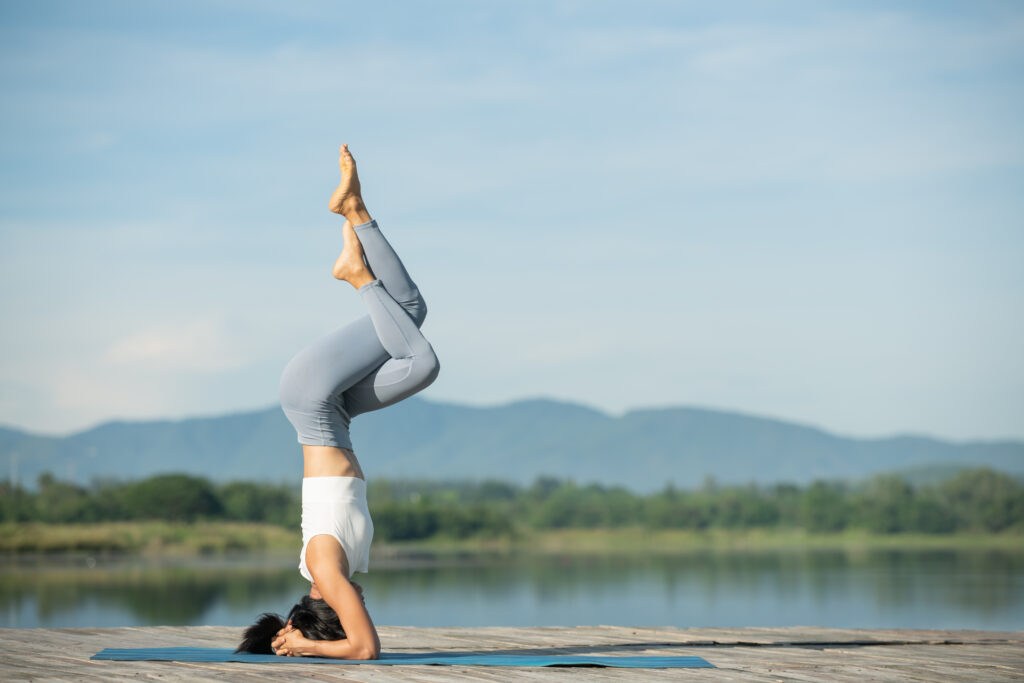
Wellness spans multiple dimensions; physical, mental, environmental, social, emotional, and spiritual. According to L.P. Bhanu Sharma, President and Life Coach at Jeevan Vigyan, true wellness goes far deeper than a healthy body. “For real wellness, not only the body but a person’s mind, brain, speech, and actions must be healthy, as must their emotions and consciousness. Everyone wants to be healthy, happy, peaceful, and live a purposeful life. Finding that is wellness,” he said.
At its core, wellness is about preventive living, mental peace, and spiritual balance. It is not a service people receive, it is an art of living.
Why Nepal is the Natural Answer
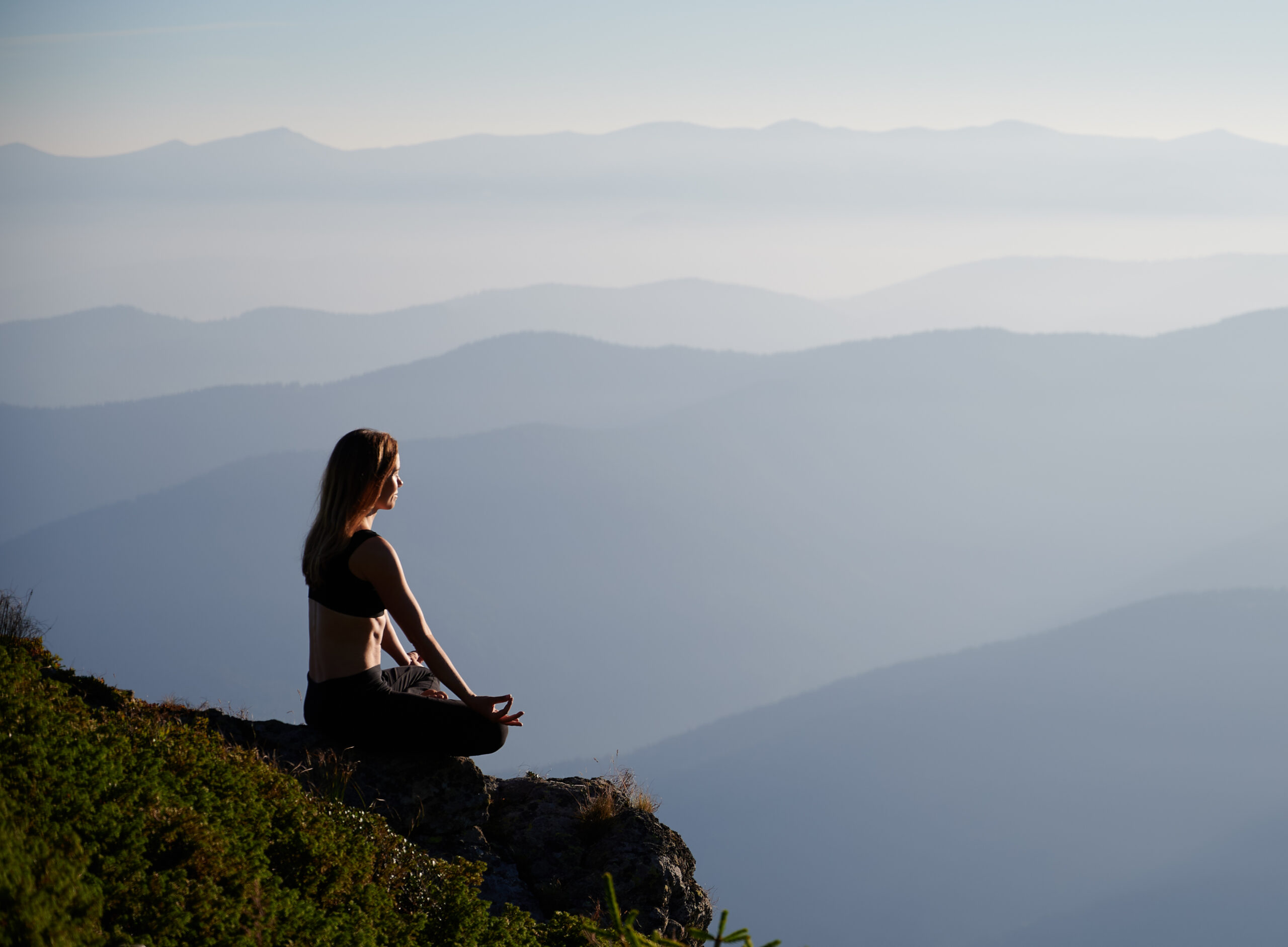
While the term is gaining global currency now, Nepal has been practicing wellness for centuries. Its culture is inseparable from it. Ancient sages explored the depths of consciousness in these hills and transformed meditation into a way of life. From the Nepali and Eastern philosophical perspective, wellness is a way of living rooted in Dhanvantari, Ayurveda, yoga, meditation, and harmony with nature. Lord Shiva is regarded as the master of yoga and meditation. Since the Himalayas are believed to be Shiva’s abode of meditation, Nepal’s hills, caves, rivers, and secluded valleys naturally became laboratories for inner exploration.
Shah captures it plainly: “Nepal has something that many countries spend millions trying to create: authenticity. We are blessed with the Himalayas, sacred sites, ancient traditions, rich biodiversity, and a deep spiritual heritage. People don’t come to Nepal just to see mountains; they come to feel something. There is a sense of peace, simplicity, and connection here that is becoming increasingly rare in the modern world. These qualities make Nepal naturally suited for wellness tourism.”
Meanwhile, Sharma puts it in equally direct terms. Nepal has a huge competitive advantage; the climate, the mountains, the living traditions. “Himalayan wisdom, global healing; that is our main slogan, because the knowledge regarding wellness comes from the Himalayas. Authentic yoga and meditation have been practiced in this country for ages. Ayurveda and naturopathy are our legacy, not something a person can learn through a training. It is within us. And importantly, the natural, cultural, and spiritual variety you find in Nepal exists nowhere else,” he said.

A Historic Recognition
The world has begun to take notice. On March 10, 2026, the United Nations officially proclaimed April 15 as International Wellness Day. The resolution was introduced by Ambassador Lok Bahadur Thapa, Nepal’s Permanent Representative to the UN, at the UN General Assembly in New York. It marks a significant diplomatic milestone: the first time Nepal has led the proclamation of an international day at the UN.
The resolution highlighted the growing global recognition of wellness as a holistic concept; one that encompasses physical, emotional, social, cultural, and ecological well-being. Presenting it at the plenary session, Ambassador Thapa was direct. “Multiple global crises have intensified pressures on health systems worldwide. We are facing mounting health challenges, shaped and sharpened by the interplay of numerous and overlapping global crises. Our health system is being tested like never before,” he said.
The resolution received strong international support, co-sponsored by 40 UN member states and backed by broader members within the UN system. Its aim: to raise global awareness about balanced well-being and encourage governments, institutions, and communities to adopt integrated approaches to health and development.
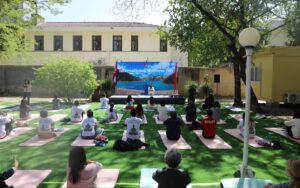
Nepal wasted no time in celebrating. On April 15, 2026, a grand ceremony was held at Tudikhel, Kathmandu, attended by Speaker Dol Prasad Aryal, government representatives, politicians, and the general public. Minister for Culture, Tourism and Civil Aviation Khadka Raj Poudel used the occasion to declare 2027 the Nepal Arogya Year.
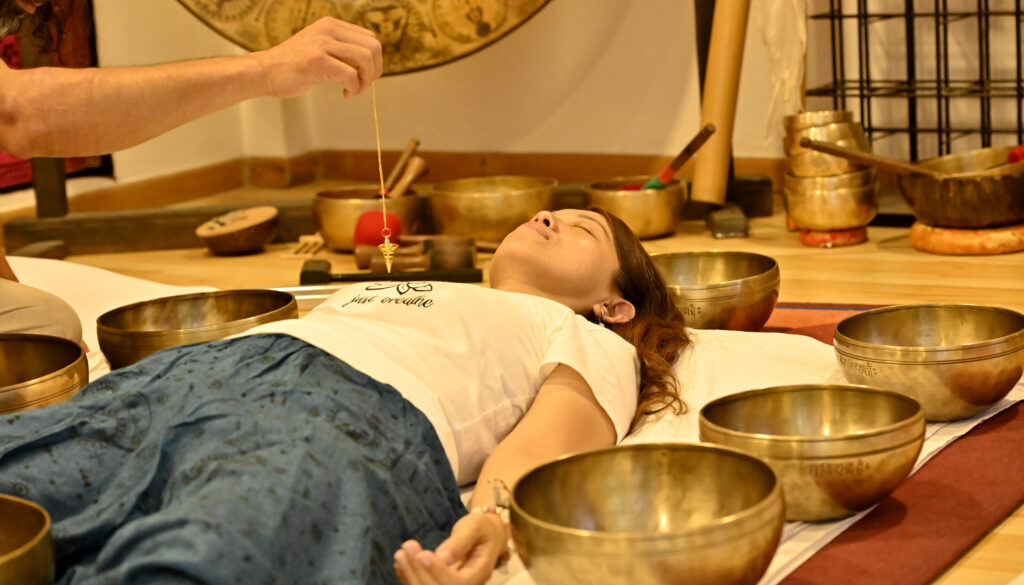
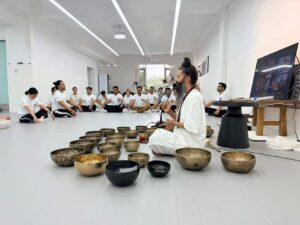
Nepali missions across the globe also marked the day with equal enthusiasm. From wellness walks in Dhaka and product expos in Tokyo featuring shilajit, organic tea, Himalayan bath salt, and singing bowls, to special events in Seoul, Ottawa, Colombo, and Guangzhou under the theme “Holistic Wellness for All.”

Why Wellness Tourism, Why Now
The market reflects this hunger. According to the Global Wellness Institute (GWI), wellness tourism is projected to grow from $830.2 billion in 2023 to over $1.3 trillion by 2028. The 2025 Global Wellness Economy Monitor shows the wellness economy has doubled since 2013, reaching a new peak of $6.8 trillion in 2024. It is expected to grow at 7.6% annually over the next five years, reaching an estimated $9.8 trillion by 2029.
For Nepal, the business case is compelling. “Since Nepal has these advantages, we can benefit even more. Wellness tourism is a sector that will always grow, even 100 years from now, its value will never decrease,” Sharma said. “It is also where hotels and businesses can achieve more with minimal investment. The average tourist stays in Nepal for 10 days; the wellness traveler stays for 14. And their average spending is 53% higher.”
Nepal currently competes on cheap tourism. Wellness tourism flips that equation entirely; in this space, premium gets purchased. Wellness travelers pay more, stay longer, and return more often. The future of Nepal’s tourism is not about more visitors; it is about better ones.
What the Government Is Doing
For the first time, the Government of Nepal has formulated a 10-year national strategy targeting more than 10,000 wellness tourists annually after 2030, with revenue goals of USD 20 to 30 million per year.
The Ministry of Culture, Tourism, and Civil Aviation has prepared the National Wellness Tourism Strategy (2026–2035) and Action Plan (2026–2030), with the vision of positioning Nepal as a global wellness tourism destination and building a foundation for long-term economic prosperity.
Currently, wellness tourists make up only about two percent of total foreign arrivals. The strategy aims to change that dramatically, targeting 11 percent by 2030. Five locations have been identified for infrastructure development, and seven tourist groups have been designated as key source markets: international yoga practitioners, spiritual seekers, health and wellness tourists, adventure-and-wellness hybrid travelers, spa and recreational tourists, corporate wellness groups, and family wellness travelers.
A phased approach will guide implementation. Through 2027, a pilot phase will partner with 10 to 15 certified operators and develop five to eight premium wellness facilities, targeting 500 to 1,000 international tourists and generating an estimated USD 1 to 2 million. Between 2027 and 2029, expansion efforts will target more than 40 certified operators, over 10 unique facilities across major tourism hubs, and annual services for 3,000 to 5,000 wellness travelers, yielding USD 6 to 12 million. After 2030, more than 25 specialized wellness programs including wellness treks, Himalayan Ayurveda, and monastic meditation, will position Nepal as a leading global destination.
Quality standards will be enforced through a three-tier accreditation system: Bronze, Silver, and Gold, based on service quality, safety, staff training, and sustainability. The action plan also targets training and certifying 2,000 new health workforce personnel, with at least 30 percent of new jobs going to women, youth, and local community members.
Concrete landmarks are planned by 2027: an international-standard retreat in Pokhara or Kathmandu Valley, a Himalayan wellness retreat center offering spa, yoga, meditation, and naturopathy packages, a wellness village in Lumbini, and a boutique hill station wellness village.
The Arogya Nepal (Wellness Nepal) marketing campaign will launch by 2027, alongside the implementation of a national wellness standards code of conduct.
On the budget side, Finance Minister Dr. Swarnim Wagle has allocated Rs. 10.53 billion to the Ministry of Culture, Tourism, and Aviation for the fiscal year 2026/27, as part of a broader Rs. 2,124.34 billion national budget targeting 7% economic growth. Financial incentives will also be extended for the construction of luxury resorts and hotels.
The Challenges Ahead
The potential is significant, but so are the obstacles.
Shah is candid about the gaps: “There is a need for better training, internationally recognized standards, stronger branding, and greater collaboration between the tourism and health sectors. We also need more research, quality control, and professional development opportunities. Most importantly, we need a clear national vision that positions wellness tourism as a strategic priority rather than a niche offering.”
There is also a cultural integrity question. As wellness tourism grows, there is a real risk that spiritual traditions get reduced to marketing tools. “We must ensure that cultural and spiritual practices are shared respectfully and led by qualified individuals. Local communities, monasteries, teachers, and traditional knowledge holders should be actively involved. The goal should be to preserve the integrity of these traditions while making them accessible to visitors in an authentic way,” Shah added.
On the data side, Nepal is starting from scratch. Surya Thapaliya, Senior Manager of Public Relation and Publicity at Nepal Tourism Board, notes a basic but critical gap: “We don’t have proper data regarding wellness travelers who come to Nepal. While tourists can come for multiple purposes, we need concrete data to make proper plans and policies.”
Sharma stresses that progress requires both hands working together. “The government should focus on plans, policies, and infrastructure. The private sector should operate. Hotels should include at least one wellness product in their services, it would add tremendous value,” he said.
Thapaliya confirms the government’s current focus. “We are now working on identifying wellness services, mapping elements, and listing products. Along with capacity building of both human resources and infrastructure, we are focused on in-depth research, data collection, and standardization of what Nepal offers in wellness tourism.”
Wellness as Soft Power
Beyond economics, wellness tourism does something that traditional tourism cannot: it creates lasting emotional and cultural bonds between visitors and host countries and those bonds carry diplomatic weight.
Shanker Bairagi, former Foreign Secretary of Nepal, sees wellness tourism as one of the country’s most effective forms of non-traditional diplomacy. “Tourism is a form of soft power that rests on the power of attraction. If developed properly, the economy generated through wellness tourism can be leveraged to enhance productivity in other sectors such as agriculture and manufacturing,” he said.
The regional implications are equally significant. “Nepal will become the preferred wellness destination for South Asia, generating tremendous goodwill and respect for Nepal and its people. Beyond the financial returns, the earning of goodwill will leave a lasting impression. And enhanced people-to-people contact will pave the way for meaningful engagement in other areas. Nepal’s position as a wellness tourism destination will be firmly placed on the world map,” Bairagi said.
The Road Ahead
Nepal is not simply riding a global wellness wave. It is positioning itself to lead it, drawing on an inheritance of Himalayan wisdom that the world, increasingly, is seeking. The proclamation of International Wellness Day under Nepal’s initiative is proof that this is more than aspiration. It is strategy, it is heritage, and it is an opportunity that, if seized with care, could define Nepal’s place in the world for generations to come.