Beyond Momo: Nepal’s Undiscovered Kitchen Deserves a Seat at the World’s Table
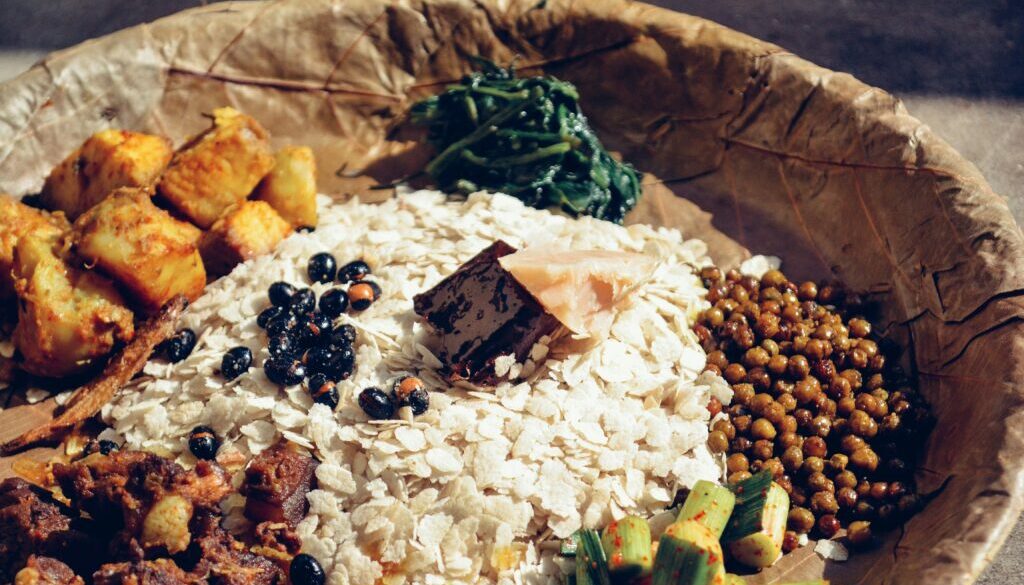
Photo by Sajan Rajbahak on Unsplash
You’ve heard of Everest. You’ve probably heard of momo. But have you tasted chhurpi, the smoky hard cheese of the Himalayas? Have you sat down to a Thakali thali in the shadow of the Annapurnas, or sipped coffee grown on Nepali hillsides at elevations where few other beans survive?
Nepal’s mountains have long drawn the world’s attention. Its food, quietly extraordinary, has not and that is a story worth changing.
A Cuisine Lost Behind a Single Dish
Walk through Bur Dubai or New York’s Jackson Heights and you’ll find it: steaming baskets of momo, the dumpling that has become Nepal’s most recognizable culinary export. Nepali diaspora communities across the Gulf, Europe, Australia, and North America have carried these flavors with them, turning neighborhoods in global cities into informal embassies of Himalayan taste.
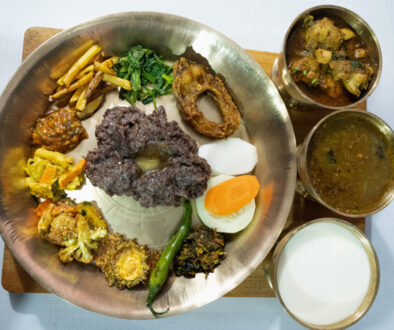
But momo, beloved as it is, tells only a fraction of the story. Nepal’s culinary landscape spans extraordinary diversity, the elaborate, centuries-old feasts of Newari cuisine in the Kathmandu Valley; the clean, nourishing Thakali food of the Mustang region perfected for high-altitude living; Mithila cooking from the southern plains; indigenous traditions from dozens of ethnic communities across the hills and terai. Each carries its own history, its own ingredients, its own quiet genius.
For travelers who think they know Nepal through trekking and temples, the kitchen offers an entirely different entry point.
What the World Is Missing
During an internship in Dubai, I noticed something that stuck with me. Arabian cuisine was confidently woven into the city’s identity: on menus, in hotels, in tourism branding. Indian and Pakistani food enjoyed strong international visibility. Nepali cuisine, despite Nepal’s growing global reputation as a destination, was largely invisible, folded under vague “South Asian” labels or absent altogether.
The gap is surprising, because Nepal already has extraordinary ingredients to offer the world.
Himalayan coffee, grown at altitude and still largely undiscovered by specialty roasters, is gaining quiet recognition among those who find it. Ilam tea, from Nepal’s eastern hills, rivals Darjeeling in quality and complexity. Yak cheese and chhurpi, the latter already finding a niche market in the United States as a premium product, hint at what Himalayan dairy traditions could become with proper branding and promotion. Jumla beans, mountain honey, wild herbs, and millet-based foods round out a pantry that is genuinely unlike anything else in the region.
These are not novelty ingredients. They are the products of landscapes and communities that have fed people at altitude for centuries. For the growing number of travelers seeking authentic, place-rooted food experiences, Nepal’s table is one of the world’s great undiscovered destinations.
Learning from Plates Elsewhere
Thailand built a global restaurant network through deliberate government-backed promotion. Japan turned sushi into a symbol of national identity recognized on every continent. Peru reinvented its entire tourism brand around gastronomy, connecting Lima’s restaurants to the country’s agricultural diversity and drawing a new kind of visitor altogether.
Nepal has watched this shift in global food culture without yet fully stepping into it. Tourism policy is beginning to catch up, the recently introduced Tourism Policy 2082 acknowledges the importance of promoting Nepali cuisine internationally through embassies and diaspora networks, which is an encouraging start. But policy language and action are different things.
What’s still missing is a coherent, long-term strategy that connects Nepal’s culinary identity to its tourism offer, its agricultural exports, and its remarkable diversity of regional food traditions. Many of those traditions, passed down orally through generations, remain undocumented and under-researched, at risk of fading as globalization reshapes what younger Nepalis cook and eat.
Why It Matters for Travelers
For visitors planning a trip to Nepal, this is an invitation to go deeper. Beyond the trekking permit and the Everest state panorama lies a food culture worth seeking out: in Newari restaurants tucked into Bhaktapur’s backstreets, in qteahouse kitchens along mountain trails, in the markets of Pokhara where seasonal vegetables arrive from farms that have worked the same terraces for generations.
International food festivals in cities like Dubai, London, Sydney, and New York could bring these flavors to audiences who haven’t yet thought of Nepal as a culinary destination. Stronger geographical protections, similar to France’s Champagne designation or Japan’s Wagyu, could give Himalayan coffee, Ilam tea, and yak cheese the international standing they deserve.
A country that gave the world its highest summit should not have to struggle to share its food. If the mountains introduced Nepal to the world, its cuisine may be what makes the world want to return.
(Khagendra Bhattarai studies international relations and writes on tourism and development in Nepal.)
Photo by Sajan Rajbahak on Unsplash